
2026 War on Iran: Protecting the ‘Philosopher’s Stone’
Clash of the Real Economy with Financialization

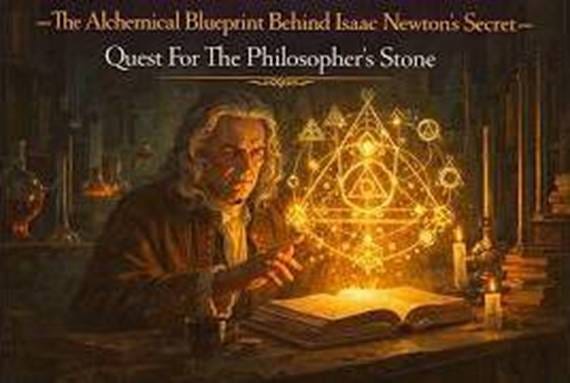
Figure 1 The Alchemical Blueprint Behind Isaac Newton’s Secret Quest for The Philosophers Stone[1]
Table of Contents
2026 War on Iran: Protecting the ‘Philosopher’s Stone’
Quest for the ‘Philosopher’s Stone’
Path to the ‘Philosopher Stone’
Neoliberal Financialized Economy
The Empire in 2026: A Printing Press with Nuclear Weapons
2026 War on The Islamic Republic of Iran
Military Balance of Power in Southwest Asia
Ending the war with no change in the political landscape of the Arabian Peninsula
Pursuing the war until the oil colonies are liberated
A Note on Negotiations and Cessation of Hostilities
Introduction
In an earlier essay, Clash of Civilizations with Nihilism,[2] the ideological clash between civilizations and the nihilist neoliberal ideology of the Empire was discussed. In the following the clash between real economies and neoliberal financialized economic model imposed by the Empire will be addressed. This is of special relevance today, as the war on Iran is in fact a war between the neoliberal financialized economy and the real economy.
While WWI and WWII wrought death and destruction to many regions of the world, neither impacted humanity as did the imposition of neoliberalism and the financialized economy.
Impact of WWI and WWII were mostly on regions that were theaters of war, and even in these regions, they had minimal if any cultural or civilizational impact. Societies post-war essentially picked-up from where they left prior to the war.
The war between the neoliberal financialized economy and real economies, affects all of humanity and its impact is far more profound on the civilizational and cultural heritage of humanity. This is evidenced by the global erosion of cultural and civilizational heritage during the past three decades and by the spread of misery during the past decade.
Since its victory on April 30th 1978, with the signing of the second amendment to the Articles of Agreement of the IMF to demonetize gold and introduce pure fiat money, the progression of neoliberalism and the associated financialized economy was essentially unimpeded. The current war with Iran is the first serious threat against the Empire and its financialized economy. The outcome of this war will determine the future of humanity.
Which Empire?
When using the term Empire, reference is not to the U.S. The U.S., as other nations with private central banks, lost its sovereignty when a private central bank was established to manage the nation’s money and to provide money in the form of loans at interest to the government. In the following, the term Empire, refers to the Money Powers Empire,[3] the roots of which can be traced to Venice where the first private central bank was established in 1582. The center of the Empire later migrated to Amsterdam, then the City of London and finally to New York.
The primacy of Money Powers is best illustrated by the faceoff between U.S. president Franklin D. Roosevelt and the Bank for International Settlements, BIS, “the central bank of central banks”, the top global financial institution: [4]
In 1944 at the Bretton Woods conference in which the post-WWII monetary and political global structure was being set. President Roosevelt supported the proposal enjoining liquidation of the Bank for International Settlements (BIS) due its cooperation with Nazi Germany during World War II.
A provision was included in the Articles of Agreement of the International Monetary Fund to the effect that the government of no country shall be eligible for membership in the International Monetary Fund as long as the Central Bank of that country has not taken the necessary steps to foster the liquidation of the Bank of International Settlements.
The resolution for liquidation of the BIS was adopted as part of the final act of the Bretton Woods conference. The resolution was never implemented and was officially revoked in 1948 after Roosevelt’s death. The Federal Reserve maintained ties to the BIS and the U.S. officially joined in 1994.
Thus, in a face-off between the BIS and the president of the U.S., when the U.S. was at peak military and economic power, it was the privately owned BIS that emerged the victor, confirming supremacy of Money Powers.
Quest for the ‘Philosopher’s Stone’
For millennia money had intrinsic value and was commonly made or backed by precious metals; this placed finite limits on the quantity of “money”. To address this limitation scientists sought the ‘philosopher’s stone’ a material that could transform ordinary metals into money, i.e. silver or gold. This would allow for infinite creation of money thereby granting unlimited power to its owners. Notable among these scientists are Roger Boyle, the father of modern chemistry, and mathematician and physicist Sir Isaac Newton.[5]
After millennia of scientists’ failure to discover the ‘philosopher’s stone’; in the 20th century the task was relegated to financial wizards. Their work was crowned with success in 1976. The path to success may have cost a few hundred million lives during WWI, WWII and other minor wars, but their achievement was nonetheless phenomenal.
Path to the ‘Philosopher Stone’
Several prerequisites were necessary namely:
The Panic of 1907 which led to consolidation of the corporate and banking systems, establishment of the Federal Reserve System and entry of the U.S. into World War I in support of the Allies.
The Great Depression of 1929: Led to consolidation of the Federal Reserve’s power over the banking sector in the U.S., gold confiscation and repricing and subsequent entry into WWII in support of the Allies.
The three major steps on the way to the ‘Philosopher’s Stone’ were the Bretton Woods Conference of 1944, the Nixon Shock of 1971 and the 1970s Energy Crisis.
1944 Bretton Woods Conference
Replacing the gold standard by a partial gold standard and a significant amount of gold is acquired from nations around the world:[6]
USD anchored to gold at $35/oz other currencies pegged to USD not to gold.
USD is established as the global trade currency.
IMF countries could convert their USD holdings to gold at the rate of $35/oz.
IMF countries had to pay 25% of their quotas and quota increases in gold.
IMF to receive interest payments in gold.
IMF could receive credit repayment in gold.
IMF could sell currencies to third parties in return for gold.
1971 Nixon Shock
Setting the stage for demonetizing gold:
On August 15, 1971 the U.S. reneges on its commitment to convert USD to gold. The USD and consequently all currencies are decoupled from gold.
1970s Oil Crisis - The “Arab Oil Embargo” That Never Was
U.S. embarks on policy of oil price increase via its Gulf colonies. Resulting in a price increase of 1500% between 1971 and 1980 going from $2.24 to $36.83 per barrel.[7]
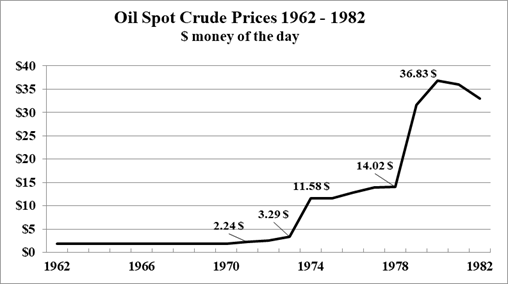
Figure 2 Oil Spot Crude Prices 1962 - 1982
The Myth
Price increase was engineered by the Arab Gulf colonies and Iran:
Quoting Arthur F. Burns, Chairman of the Board of Governors of the Federal Reserve:[8]
manipulation of oil prices and supplies by the oil-exporting countries came at a most inopportune time for the United States. In the middle of 1973, wholesale prices of industrial commodities were already rising at an annual rate of more than 10 per cent; our industrial plant was operating at virtually full capacity; and many major industrial materials were in extremely short supply. (Emphasis added)
From Encyclopedia Britannica:[9]
Arab oil embargo, temporary cessation of oil shipments from the Middle East to the United States, the Netherlands, Portugal, Rhodesia, and South Africa, imposed by oil-producing Arab countries in October 1973 in retaliation for support of Israel during the Yom Kippur War; the embargo on the United States was lifted in March 1974, though the embargo on the other countries remained in place for some time afterward. The Arab oil embargo was the first oil crisis, an oil-supply disruption leading to major price increases and a worldwide energy crisis.
From Wikipedia:[10]
The 1970s energy crisis occurred when the Western world, particularly the United States, Canada, Western Europe, Australia, and New Zealand, faced substantial petroleum shortages as well as elevated prices. The two worst crises of this period were the 1973 oil crisis and the 1979 oil crisis, when, respectively, the Yom Kippur War and the Iranian Revolution triggered interruptions in Middle Eastern oil exports.
OAPEC countries cut production of oil and placed an embargo on oil exports to the United States after Richard Nixon requested $2.2 billion to support Israel in the war after learning that the Soviet Union, was aiding Syria and Egypt in the war. Nevertheless, the embargo lasted only until January 1974, though the price of oil remained high afterwards. (Emphasis added.)
The Reality
The “Arab Oil Embargo” was neither Arab nor an embargo. Rather it was engineered by financial powers within the U.S. administration, specifically neoliberalists of the Mont Pèlerin Society, in particular, Treasury Secretary William Simon “the figure most responsible for forging the U.S.-Saudi collaboration.”[11],[12]
Quoting James Akins U.S. Ambassador to Saudi Arabia, 1973 – 1975[13]:
The oil embargo was fictional and the U.S. did not suffer any consequences. Saudi oil transits via Bahrain where it is loaded on U.S. or other tankers and shipped directly to Vietnam. This information was kept confidential so that it does not become publicly known that Saudi Arabia was not upholding the OPEC oil embargo against the U.S.
Quoting Ahmed Zaki Yamani, Saudi Minister of Petroleum and Mineral Resources, 1962 – 1986[14]
Every time Dr. Henry Kissing came to Saudi Arabia, he visited King Faisal, and each time King Faisal would tell him, please when you go to Tehran, ask the Shah to stop utilizing his power to increase the price of oil. And Kissinger all smiles replied “I will do my best”. One day King Faisal sent me to see the Shah of Iran to ask him seriously to calm things down. The Shah of Iran told me “Why don’t you want me to increase the price to please the Americans? It is the Americans who asked me to increase the price. Go ahead and ask Henry Kissinger.” When I reported our conversation to King Faisal, he realized that it was Henry Kissinger who was behind it all. After that the king never brought up the issue of oil prices with Henry Kissinger. (Emphasis added).
Quoting David Gibbs, Oil and the Energy Crisis of the 1970s: A Reanalysis[15]
President Nixon effectively blocked efforts to lower prices, which had emanated from the government of Saudi Arabia in 1974. The Saudis offered to restrain OPEC price increases and communicated this to the Nixon administration—which rebuffed the offer.
A contemporary investigation published in Foreign Policy concluded, “The United States has encouraged Middle East oil-producing states to raise the price of oil and keep it up.”
In July 1974, Simon flew to Jeddah, along the Red Sea coast, and achieved a far-reaching agreement with Saudi officials entailing their purchase of Treasury bonds in large quantities. The idea was for the Treasury to establish a surplus on its capital account—made possible by Saudi money—thus compensating for weak exports and a deficit on the merchandise trade balance.
USD Primacy Recovered
By 1976, USD primacy was recovered. U.S. balance of payments deficit with industrialized nations was transformed into a surplus, thereby strengthening the USD against the major currencies. From Why The West Can’t Win:[16]
In 1976, the U.S. trade deficit with Japan was $6 billion. However, Japan required oil imports worth $21 billion. Thus, the petrodollar converted a net USD-Yen from a $6 billion deficit into a $15 billion surplus for the USD. This oil backing was more than enough to cover the U.S. trade deficit.
Without the 470% oil price increases between 1971 and 1976, Japan’s oil purchases would not have been enough to cover the U.S.’ trade deficit with Japan. It is within this context that the 1500% increase of oil price in the 1970s should be understood.
1976 Finding the ‘Philosopher’s Stone’
For ages men sought the ‘philosopher’s stone’ however only the Money Powers would realize this dream on April 30, 1976 with the signing of the second amendment to IMF’s articles of agreement, demonetizing gold. With entry into force of the amendment on April 1, 1978:[17],[18],[19]
The official price of gold was abolished.
Replacing gold as a reserve asset for the international monetary system was the SDR, consisting of a basket of fiat currencies in which the USD was primus inter pares.[20]
IMF would no longer be allowed to buy gold.
IMF could sell gold at prevailing market prices.
IMF could accept gold for repaying loans at prevailing market prices subject to IMF Executive Board approval by an 85% majority of the total voting power.
IMF would no longer be allowed to engage in gold transactions, loans, leases, swaps, etc.
IMF was no longer allowed to use gold as collateral.
Quoting Secretary of the Treasury, William E. Simon’s January 13, 1976 Memorandum to President Ford:[21]
I am pleased to report that at Jamaica last week, the IMF Interim Committee reached agreement on a major reform of the international monetary system.
Implementation of measures to phase gold out of the international monetary system. The official price of gold will be abolished; the use of gold in transactions with the IMF will be eliminated; the IMF will begin immediately to dispose of its large holdings of gold; and the major central banks of the world will adhere to transitional guidelines on official transactions in gold designed to assure that a central role for gold does not re-emerge. By placing gold on a one-way track out of the monetary system, we reinforce the move toward flexibility embodied in the revised exchange rate provisions and reduce the risk of pressures on the United States to assume once again the responsibility for maintenance of a gold-based system.
Eureka! the ‘Philosophers’ stone’ was obtained. It was now possible to have infinite creation of money, granting unlimited power to its creators, the new Masters of The Universe. Endless wars could now be waged; [22] an immense quantity of goods could be produced, fueling an unprecedented orgy of consumption in the decades following its discovery and associated widespread misery on the long term.
Neoliberal Financialized Economy
Discovering the ‘Philosophers’ stone’ created a disconnect between ‘money’ as measure of value and ‘work’ the producer of value. ‘Money’ could now be created at will and allocated at the discretion of the Masters of The Universe, to targeted regions of the world, sectors of the economy and segments of society, creating havoc in the world, in the markets and in societies globally.
It ushered a totally new distorted world, upending constraints and value systems that had existed for millennia. Old fashioned ideas of earning a living by hard work were discarded and replaced by the quest to dip into the quick limitless money created by the ‘philosopher’s stone’. Flaunting ‘philosopher’s stone’ wealth became something to be proud rather than ashamed of.
It was the enabler of the globalization era that ensued, accelerated global wealth siphoning, destruction of the productive class and rise of the speculative “elite” resulting in extreme wealth concentration.
Not surprisingly, Paul Volcker the chief architect of the United States’ abandonment of the gold standard,[23] and a key financial wizard in the search for the ‘Philosophers’ stone’, predicted correctly the ‘disintegration’ of the existing economic system and the “not pretty” world that would ensue.
Quoting Volcker, President of the FRBNY in his 1978 speech at Warwick University:[24]
Today, a stronger and stable dollar is plainly in the interest of the United States and the world.
Indeed, I was tempted to take as my text today one of Fred Hirsch’s last dicta: “A controlled disintegration in the world economy is a legitimate objective for the 1980’s ...”
Perhaps in the circumstances, the objective of “controlled disintegration”—modest as it may seem to be —is indeed a legitimate goal. Yet the phrase leaves me uneasy.
In theory, a process of disintegration within the industrial world could probably go a long way without intolerable damage to our economic welfare. But it is hard to visualize that process without it also leading to intense national competition for the markets and materials of developing countries. It would not be a pretty picture.
Less than a year after this Warwick speech on November 9, 1978, Volcker was appointed chairman of the Board of Governors of the Federal Reserve System on August 6, 1979.
As chairman of the Fed, Volcker was in a position to undertake the “controlled disintegration in the world economy” and in shaping the “not pretty future” he predicted in his Warwick speech and establishment of the neoliberal financialized economy that has dominated the world since 1980.
Mr. Volcker can be credited with:
1980 – 1982 Rust Bowl & Speculation: Fall of American industry and rise of Wall Street.[25],[26]
1982 Latin American Debt Crisis: Global financial sector takes control of Latin American resources.[27]
1985 Savings & Loans Crisis: Consolidation of banking sector in the U.S.
And his successors at the Fed with:
1990 Japan’s Lost Decade: Global financial sector takes control of the Japanese economy.[28]
1997 Asian Financial Crisis: Global financial sector takes control of the Southeast Asian economies.[29]
2000 Dot-com Bust: Consolidation of internet-based companies ushering the global surveillance and control system.
2008 Global Financial Crisis: Widespread impoverishment and further concentration of wealth.
In societies where the impact of neoliberalism was greatest, namely the U.S., U.K. and Western Europe the widespread destruction of traditional value systems resulted in an across-the-board deterioration of society resulting in these societies falling behind in education, sciences, technology, industry and consequently in military might. Crime, drugs poverty, perversions and other social ills increasing at an alarming rate.
Discovery of the ‘Philosopher’s stone’ can be summarized in the following two charts:
‘Philosopher Stone’ ‘money’ is oriented towards financial markets and speculators and away from the real economy and producers.
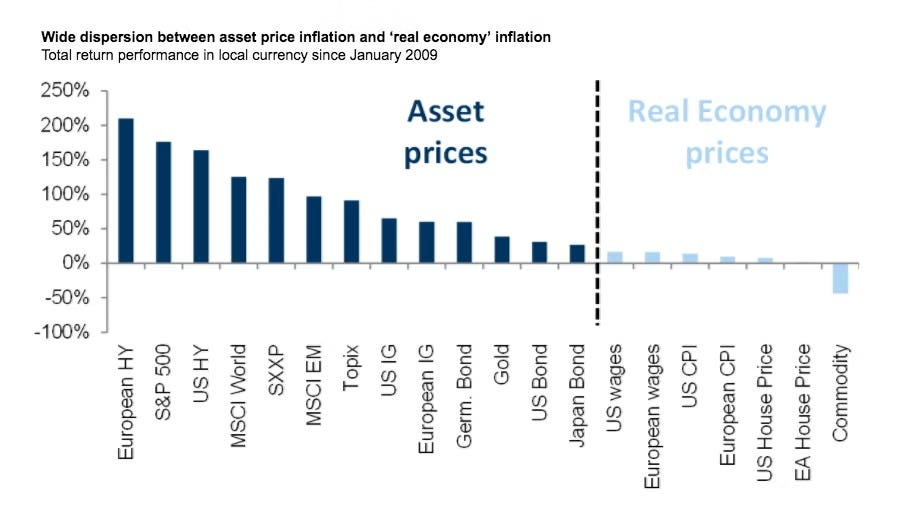
Fig 3 Speculators Succeed - Producers Penalized
Extreme wealth concentration and social inequality that is more acute than any prior period in history going back over eleven millennia.
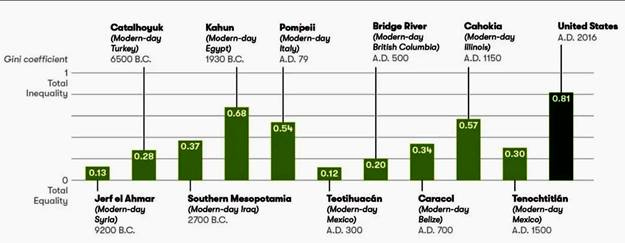
Figure 4 Wealth Inequality in Various Societies Since 9200 B.C. [30]
Civilizations across globe were homogenized, with a dominant language, political system, economic system, business model, media, dress code, technical standards, etc.
Few pockets of resistance to this cultural homogenization existed; these were marginalized, isolated, sanctioned, ridiculed, and destabilized. These pockets of resistance were generally too insignificant to threaten the status quo, in particular to threaten the magic of the ‘Philosopher’s stone’, on which the power of the Empire rested. Should a pocket of resistance develop into a serious threat, it had to be destroyed, as was the case with Gaddafi and his gold dinar issued by the 100% state owned central bank of Libya.[31],[32]
Iran with a highly educated population of over 90 million, second in the world in proven oil and gas reserves and having a 100% state owned central bank outside the BIS banking system, and trading its oil and gas outside the dollar system, is a far greater threat to the ‘Philosopher’s stone’ than Libya ever was. Hence the relentless pursuit of destroying Iran, culminating in the war launched on February 28, 2026.
Inevitability of War on Iran
The Islamic Republic of Iran poses the greatest threat to the ‘Philosopher’s stone’ since its discovery in 1976. Despite having been sanctioned for forty-seven years, and subjected to a ruthless proxy war for eight years resulting in 1 million casualties,[33] numerous leadership assassinations since 1979, most recently with the assassination of Imam Khamenei on February 28, 2026, and several color revolutions, Iran was able to preserve its sovereignty.
By being one of the rare sovereign countries, and one in which its government focuses on preserving its cultural and civilizational heritage, Iran was less affected by neoliberalism and hence was able to achieve great strides in human development and consequently in science and technology, while most of the neoliberal dominated world witnessed a rapid decline.
Quoting ASPI’s 2024 two-decade Critical Technology Tracker:[34]
Iran excels at defence-sensitive technologies: Based on its performance over the past five years, Iran is in the top 5 countries in eight of the 64 technologies and is strong in advanced materials and manufacturing and biotechnologies. Iran ranks 3rd in smart materials and air independent propulsion.
In air-independent propulsion, Iran has three of the top 10 institutions: the University of Tehran (5th), Islamic Azad University (7th) and Shahrood University of Technology (9th).
In fact, Iran is the only country other than China to have institutions in the top 10 institutions in air-independent propulsion, smart materials and advanced data analytics. Islamic Azad University is the top Iranian institution and makes the top 10 institutions in six other technologies when ranked by recent performance: mesh and infrastructure-independent networks (1st), drones, swarming and collaborative robots (8th), smart materials (7th), advanced data analytics (7th), antibiotics and antivirals (6th) and biofuels (8th).
The decline is across the board in the Empire, as illustrated by the examples of the U.S. and Switzerland, quoting from the same ASPI report:
The US led in 60 of 64 technologies in the five years from 2003 to 2007, but in the most recent five years (2019–2023) is leading in seven. China led in just three of 64 technologies in 2003–2007 4 but is now the lead country in 57 of 64 technologies in 2019–2023, increasing its lead from our rankings last year (2018–2022), where it was leading in 52 technologies.
Switzerland, which ranked 2nd in 2003–2007 but fell to 20th in 2019–2023.
In summary, multiple factors make of the Islamic Republic of Iran an existential threat to the global financial system and hence the Empire itself:
Geographic proximity to the Arabian Peninsula oil colonies.
Governance based on its cultural and civilizational heritage.
One of a handful of sovereign nation, in which the central bank and therefore local banks and economy are not under the BIS’ control.
The Empire’s power is waning while Iran’s power is rising.
The Islamic Republic presents a glowing alternative for the world, as a result of across-the-board socioeconomic development while the Empire and its vassals have been in severe socioeconomic decline as a result of neoliberalism.
Therefore, there can be no compromise with the Islamic Republic, regime change or destruction is essential for preservation of the ‘Philosopher’s stone’ and hence survival of the Empire.
As the Empire’s power is waning and Iran’s power is rising, coupled with Iran’s vicinity to the ‘Philosopher’s stone’ foundation, the oil colonies of the Arabian Peninsula, and after failure of economic wars, multiple color revolutions, decapitation strikes, there was no choice but to wage a kinetic war to destroy the Islamic Republic of Iran and the Resistance Axis allies, to eliminate this existential threat to the ‘Philosopher’s stone’.
A War of Survival, for Whom?
Many commentators when discussing the current war, refer to it as a ‘war of survival’ for Iran, and a war of choice for the U.S. This is incorrect and reflects affliction by severe myopia or Alzheimer’s.
Recalling the Empire’s war on the incomparably weaker Afghanistan, the U.S. was eventually defeated and kicked out unceremoniously, while the Islamic government of the Taliban prevailed. By extension the Islamic Republic of Iran is definitely not in a survival struggle, rather it is the Empire whose global financial system is facing an existential threat and for whom this is a war for survival.
The Empire in 2026: A Printing Press with Nuclear Weapons
Neoliberalism’s domination of the Empire for over four decades has resulted in an across-the-board socioeconomic decline. It has lost its scientific, technological and consequently economic and military supremacy.[35] With widespread poverty, drug abuse, perversion, and most importantly a destruction of the moral fabric, the Empire’s has essentially become a “printing press with nuclear weapons”. At one point Russia was labeled a “gas station with nuclear weapons”, at least a gas station can fill your tank and keep you warm in winter. When the ‘Philosopher’s stone” is destroyed, the printing press is useless.
The main remaining power pillars of the Empire are:
§ Control of global financial structure through financialization and the Bretton Woods institutions.[36] This enables siphoning of wealth from the world including from populations within the Empire, to the Money Powers. Suffice to note that in the U.S., the assumed “leader” of the West and the supposed “#1 economy”, over 70% of the population is poor.[37],[38],[39],[40]
Financialization based on USD primacy also allows waging economic wars through financial sanctions.§ Mass psychology manipulation, surveillance and control, essentially through DARPA platforms.[41] These allow for controlling global narrative, mass manipulation for politically destabilizing nations and waging color revolutions. More recently these platforms have been used for targeted assassinations and bombing target selection.[42],[43],[44]
In particular these platforms are the enablers for the Orwellian world that is being readied.[45]
2026 War on The Islamic Republic of Iran
Inevitability of the Empire waging war on Iran was discussed above. So, after decades of hesitation the Empire finally launched a war on the Islamic Republic of Iran on February 28, 2026.
Military Balance of Power in Southwest Asia
As explained in Why The West Can’t Win and other publications, Iran and the Resistance Axis have military supremacy in Southwest Asia.
Quoting from: Showdown at Sunset, The Empire’s Last War, September 29, 2024:[46]
Israel’s weapon systems and war doctrine are essentially identical to those of Western powers, and specifically the U.S., with the war strategy consisting of attacking countries with no meaningful aerial defense systems, bomb the enemy’s military bases, key infrastructures and government institutions. Any civilian casualties or destruction of residential areas, are discounted as collateral damage. After “bombing to smithereens”, armored brigades and infantry enter to occupy target country. Any subsequent resistance is met with mass punishment to terrorize the population into submission, and to have them distance themselves from resistance forces.
Despite the fact that this “American way of war” failed in Vietnam and every war since, except for Grenada (1983 population 98,000), nothing has changed. The same war “strategy” was exhibited half a century after the Vietnam war in Iraq and Afghanistan, both resulting in resounding defeats of the Imperial armies. Israel adopted the same strategy in the 1982 Lebanon War, and Hezbollah eventually forced it to retreat unconditionally from Lebanon on May 25, 2000. The same war strategy was adopted in the 2006 war on Lebanon, and that too resulted in Hezbollah defeating the Israeli army. Notable in this war, was the inability of Israel to occupy any hamlet or village during the 33 days of war, despite the massive bombings and repeated armored columns attacks. The same war “strategy” was implemented in the 2023 – 2024 war on Gaza, in which the 500,000 “strong” Israeli army was unable after eleven months to subdue the Palestinian Resistance in Gaza.
Two factors have contributed to the military decline of Israel and the West in general, namely the ideological mindset for whom “the other” are Untermenschen and therefore incapable of any creative thought. The second factor is revival of the Ummah by the Islamic Republic. Just as the Islamic Republic unleashed the human potential of Iranians in the fields of science and technology achieving great strides as discussed above, the same applies in the fields of military technology and military strategy.
Quoting from Why The West Can’t Win, 2023:[47]
The Military Reality
The neoliberal economy that was imposed on Western societies since 1980, coupled with offshoring industrial production activities, has resulted in an across the board weakening of their human resource base, as manifested in the significant degradation of their scientific, engineering and manufacturing capabilities. This is best reflected by the weapon systems developed by the U.S. military industrial complex (MIC) since the turn of the millennium. Not only is the U.S. generations behind Russia in cutting edge weapon systems such as missile defense, hypersonic missiles and strategic ballistic missiles; the MIC is also no longer capable of developing basic military hardware.
Aircraft Carriers
The combat system for the Navy’s newest and costliest warship. The $13 billion Gerald R. Ford “has yet to demonstrate that it can effectively” defend the aircraft carrier from anti-ship missiles and other threats, according to the Pentagon’s testing office.
Air Defense
The two main U.S. air defense systems are the Patriot and THAAD systems. The war on Yemen proved the ineffectiveness of the Patriot in defending Saudi cities and oil installations against Ansarallah’s simple missiles and drones. Notably, the 2019 attack on the Abqaiq plant “took out nearly half Saudi’s oil production”; while in the Saudi capital, Riyadh, Patriot missiles malfunctioned and hit residences. As regards THAAD, in 2022 Germany opted for the Israeli Arrow 3 instead of Lockheed’s THAAD.
In conclusion, the main U.S. weapon systems date from the 20th century. Despite trillions of dollars in defense spending, in the 21st century the MIC could not produce weapon systems that could match the new weapons developed by Russia.
The inability of the MIC to produce state-of-the-art weapon systems that are comparable with Russian weapon systems is a result of structural problems and cannot be fixed in the foreseeable future. Its root cause is the neoliberal system and the impact this has had on U.S. society and its human resource base. The financialization of college education is the most significant factor. As was mentioned earlier, the prohibitive costs of quality STEM education drastically reduce the number of qualified STEM graduates that are needed to support a technologically advanced society.
Dystopic Political Military Leadership
The deterioration in the U.S. human resource base, resulting from half a century of neoliberal policy, is not limited to the fields of science, technology, engineering, mathematics and manufacturing necessary for the development of state-of-the-art military hardware. It extends to the lack of acumen of the U.S. political and military leadership, who in 2022 are still planning to order a total of ten Gerald Ford-class aircraft carriers, despite the fact that aircraft carriers have been rendered obsolete with the deployment by Russian navy of the 3M22 Zircon hypersonic missile and the deployment by China and Iran of precision missile systems capable of sinking aircraft carriers.
Resistance Axis 21st Century Warfare
Iran has adopted an asymmetric warfare strategy and produces its own weapon systems. It has proved capable of standing up to and deterring the U.S. with its locally produced weapon systems. In the Ukraine war, Iranian-designed low-cost drones proved to be more effective than weapon systems provided by MIC or NATO allies.
Neutralizing air power: Colonial powers rely on air power to annihilate the enemy before starting land attacks. This was neutralized by having all military assets and personnel in deep underground tunnels, well beyond the reach of aerial bombings.
Development of innovative effective weapons systems: Innovative, effective, low-cost weapon systems were developed in several fields, including anti-tank missiles, high precision short, medium and long-range missiles, drones, electronic warfare, aerial defense systems, swarming attack speed boats and mini and medium sized submarines.
Creative operational strategies: With very limited resources compared to colonial powers, the Resistance Axis (Iran, Hezbollah, Yemen, Iraqi Resistance and Palestinian Resistance) has consistently been able to stand up to the colonialists, be it the U.S. and its allies or Israel. A recent example reflecting the creativity of the Resistance Axis vs. the “dinosaurial” mindset of the Empire is Ansar Allah’s crippling of a carrier battle group, by simply disabling the resupply ship USNS Big Horn.
The Empire’s War Strategy
Empire’s Strategic Objective
Eliminate the threat to the ‘Philosopher’s stone’ global monetary system by regime change or destruction of the Islamic Republic of Iran.
Money Powers being the actual powers in control of the Empire, they have been the instigators of most wars for centuries. Quoting Major General Smedley D. Butler:
War is a racket. It always has been. It is possibly the oldest, easily the most profitable, surely the most vicious. It is the only one international in scope. It is the only one in which the profits are reckoned in dollars and the losses in lives. A racket is best described, I believe, as something that is not what it seems to the majority of the people. Only a small ‘inside’ group knows what it is about. It is conducted for the benefit of the very few, at the expense of the very many. Out of war a few people make huge fortunes.[48]
I spent 33 years and four months in active military service, and during that period, I spent most of my time as a high-class muscle man for Big Business, for Wall Street and the bankers.[49]
Although Money Powers generally determine outcome of wars by controlling funding to warring parties, they always operate on a win-win principle. In the likely case that the war on Iran is lost, the Empire has an alternative ready, namely to establish the “Two Worlds” regime.[50],[51]
With AI based total surveillance enabled, digital ID’s and programmable digital currencies ready to be rolled out, the Empire is ready for the “Two Worlds”; splitting the world into two disconnected realms. The Western Realm which was aptly described by George Orwell in his seminal book ‘1984’, in which impoverished populations, isolated from the rest of the world are ruled by ruthless totalitarian regimes.[52] And a sovereigntist realm for the rest of the world, where sovereign states of differing civilizational heritage coexist in harmony, each following its own path to socioeconomic development. The Sovereign World of self-determining countries is protected from the deteriorating Empire by the RIC core, Russia, Iran and China.
Empire’s Operational Strategy
To achieve its objective the standard WWII ‘Shock and Awe’ strategy was implemented with a maximum barrage of missiles unleashed during the first phase of the war. The opening salvo assassinating Ayatollah Khamenei, Supreme Leader of Iran and a number of military and political leaders. Also in classical Empire fashion, it committed an intimidation massacre of schoolgirls at the Minab elementary school for girls, killing over 170 school girls and teachers. This idiotic “strategy” coupled with a fair amount of Hopium, was supposed to result in surrender or ‘Regime Change’ in Iran.
Resistance Axis War Strategy
Based on observations of how the Resistance Axis has been conducting the war during the first two months, it is possible to hypothesize the objective and strategy adopted.
Resistance Axis Strategic Objective
Realizing the impossibility of peace and development in Southwest Asia so long as it is colonized, the objective of the Resistance Axis is to decolonize Southwest Asia.
All “countries” in Southwest Asia except for Iran, Yemen and Oman are creations of colonial powers, primarily Britain in the 20th century. None of these colonies has roots in history or had existed as independent states.
Present day Iraq, Syria, Lebanon, Palestine and Jordan constituted the Levant or Mesopotamia, a single civilizational entity that had existed for over 6500 years. The Levant was broken by the 1916 Sykes – Picot agreement between colonial powers Britain and France, creating the colonies of Lebanon, Syria, Iraq, Palestine and Jordan.
The colony of Kuwait was detached from Ottoman occupied Iraq by Britain in 1899.
Saudi Arabia was created by Britain funding, arming and enabling the Saud tribe from Diriyah, Najd, to conquer and subdue other tribes in the Arabian Peninsula. Even the name “Kingdom of Saudi Arabia” was coined by Sir George William Rendel, head of the British Foreign Office’s Eastern Department.[53]
Similarly, the other monarchies of the GCC, are 20th century creations of colonial Britain with no roots in history as nations let alone civilizational entities.
The same applies to Israel the Jewish settler colony in the Levant.[54]
After about a century of their existence, it has been implanted in the global psyche that these colonies are “legitimate states”. Decolonizing Southwest Asia has therefore an important psychological component to it.
It should be emphasized that decolonizing Southwest Asia will not only be beneficial to the people of the region, but will have a significant impact on the world population. The main source of oppression of the world populations being the Empire and in particular the neoliberalism it has imposed on most of the world. Decolonizing Southwest Asia will destroy the ‘Philosopher’s stone’ by which the Empire has had a stranglehold over the world for the past 45 years.
Resistance Axis Operational Strategy
While the Empire is mired in World War II military strategies and associated weapons systems, the Resistance Axis is waging a 21st century war.
A three-pronged operational strategy seems to have been adopted:
Economic
Main axis of war. Recalling that the Empire refers to the Money Powers’ empire and that their primary power source is control over the global financial system, based on the magic of the ‘Philosopher’s stone’. Thus, the U.S. military is merely a proxy force of the Empire, as Major General Smedley D. Butler had made clear a century ago. Defeating a proxy may weaken the real enemy, but can never destroy it. Not surprisingly therefore, the economic axis is the main axis of this war, and the ‘Philosopher’s stone’ being at the cornerstone of the global financial system, it is the main target that needs to be attacked and destroyed.
The power of the ‘Philosopher’s stone’ is the ability to conjure money out of thin air with which it is possible to procure materials, manufactured goods, labor, people, etc. Destroying it can be achieved by not providing materials, goods and labor in return for ‘Philosopher’s stone’ money.
While the Resistance Axis cannot force the world to implement such a policy, but by its control over the Strait of Hormuz, Bab-el-Mandeb strait, the Red Sea, and having the ability to disrupt oil flows through the Saudi East-West pipeline, the Kirkuk–Ceyhan pipeline and the Baku–Tbilisi–Ceyhan (BTC) pipeline, the Resistance Axis can affect severe damage to the global financial system. This provides the Resistance Axis with economic escalation dominance by increasing the disruption of oil flows should it be necessary.
While the ‘Philosopher’s stone’ can create an infinite amount of ‘money’, to date it cannot create a barrel of oil, a kilogram of fertilizer, or a liter of helium. In essence therefore the Resistance Axis is effectively forcing a showdown between the financialized economy and the real economy. The power of reality will become evident with increasing shortages of energy, food, mining output, electronic chips etc. and the consequent spread of supply chains breakdowns, disrupting a multitude of economic sectors and businesses. The impotence of the financial wizards and their ‘Philosopher’s stone’ will be there for all to see.
The economic axis of war is conducted by:
Throttling the flow of energy and associated byproducts from Southwest Asia.
Pricing Southwest Asia’s energy and associated byproducts in money not created out of nothing by the Empire.
Limiting the Empire’s control over pricing of resources through its speculation platforms aka “Commodity Exchanges’.
Destroying the credibility of the ‘Philosopher’s stone’ centered global financial system, by exhibiting its impotence in addressing the acute socioeconomic problems that will arise. Particularly after the 2026 harvest season and the onset of winter in the northern hemisphere.
Maintaining the economic pressure until the strategic objectives of the war are achieved.
Military
War typically brings to mind fighter jets, warships, soldiers, bombs and missiles etc.; this is the kinetic aspect of war when two armies are facing each other. Recalling from above that this war is not a war between two countries but rather a war between the Resistance Axis with Iran at its core and the global financial system, in which the U.S. and its allies are proxies. War against the global financial system is not waged using bombs and missiles; thus, the kinetic aspect of this war is secondary to the economic. The task of the military is limited to:
Repelling attacks of the empire and its proxies.
Maintaining the throttling of energy and byproduct resources out the Arabian Peninsula.
Maintaining military and economic escalation dominance.
Psychological
During wars of the past century, the global populations watched these wars on TV or by reading newspapers from the comfort of their homes. Only those people living in the theaters of war, were affected by the death and destruction wrought upon them by the Empire or its proxies. This resulted in minimal if any pushback by the global populations against the Empire and its wars of oppression.
This war will be very different in that it will be felt by everyone around the globe from the inhabitants of small islands in the Philippines to the residents of the big metropoles of the West. As the war extends, the economic impact will increase at an accelerating rate, resulting in widespread poverty, inflation, unemployment and a plethora of socioeconomic crises which cannot be solved by the ‘Philosopher’s stone’ based economic powers nor by their puppet politicians, media talking heads, NGOs etc.
The psychological axis of the war is to:
Awaken the global populations to the plight of the peoples of Southwest Asia that have been colonized, prevented from development and subjected to oppression by the Empire for well over a century.
Set the stage for psychological acceptance of a Southwest Asia free of the oil colonies and the Jewish settler colony.
Mobilize the global population in pushback against the Empire.
Possible Outcomes of the War
Ending the war with no change in the political landscape of the Arabian Peninsula
Though defeated in the battles so far, the Empire has not suffered a strategic defeat.
The oil colonies have received some blows; however, they still exist. The same applies to the Jewish settler colony in Palestine. In this case the Resistance Axis has a achieved a tactical victory of limited consequences, as its strategic objective of decolonizing Southwest Asia has failed.
The Empire will emerge bruised but able to recover. Peace, stability and development will remain out of reach for the populations of this region and future wars are to be expected.
Pursuing the war until the oil colonies are liberated
If the war is pursued until the oil colonies of the Arabian Peninsula are liberated, then the Resistance Axis would have achieved a strategic victory and the Empire a strategic defeat it cannot recover from. This would also set the stage for liberating the Levant from the Jewish settler colony.
For a region whose population has been colonized, oppressed and prohibited from development for over 100 years, a war extending one or two years is a very small price to pay for liberation. The people of the region are ready for such sacrifices as evidenced by the population of Gaza, who withstood over two years of genocide yet refused to surrender. What is sure, is that the global economy and the Empire’s global financial system cannot survive a two-year throttling of the energy and byproducts supplies from the Arabian Peninsula.
For the Empire, a strategic defeat in this war would limit its hegemony to the Western Realm for which it has completed preparations and is ready.
A Note on Negotiations and Cessation of Hostilities
Recalling that this is an existential war for the Empire, negotiations are futile and merely theatrics. As has been observed during the first two months of the war, negotiations have mainly been used to manipulate the markets and oil prices and to try and get concessions from Iran. For the Resistance Axis there is no harm in engaging in these theatrics, provided the main axis of war, namely the economic axis is sustained.
“Cessation of hostilities” i.e. stopping kinetic aspect of the war before achieving strategic objectives is not a problem, provided the economic aspect of war is maintained. On the contrary cessation of the kinetic aspect of the war is desirable, as it reduces unnecessary loss of life and financial losses.
Conclusions
This war is not a war between the U.S. and Iran; it is a war between the Money Powers and the Axis of Resistance spearheaded by Islamic State of Iran. Defeating the Money Powers in this war is a victory not only for Iran and the Axis of Resistance, rather it is a victory for humanity that has suffered for centuries under the rule of the Money Powers. It is a victory for the American people where over 60% are living paycheck to paycheck and over 70% consider themselves financially stressed.[55] The same dire and worsening economic conditions prevail wherever the Money Powers’ neoliberalism reigns, be it in Europe or other vassal states. Simultaneously with the impoverishment of billions, the number of billionaires in the world keeps increasing, a reflection of the extreme social injustice of neoliberalism discussed earlier.[56]
In his message on April 30th 2026 on the occasion of National Persian Gulf Day, Iran’s Supreme Leader, Mojtaba Khamenei made clear the global dimension of this war, and Iran’s leadership in the confrontation with the oppressors:
“Iran will be at the forefront of a new system in the region and the world”.
Outcome of this war rests in the hands of the Resistance Axis leadership; are they willing to pursue the war until strategic victory or will they go for a tactical victory that will prove to be ephemeral?
Endnotes
[1] Cover photo, The Alchemical Blueprint Behind Isaac Newtons Secret Quest For The Philosophers Stone, Mythology and History Archive, YouTube, Apr 23, 2026
[2] Clash of Civilizations with Nihilism, Fadi Lama, Substack, Sep 10, 2024
[3] WHY THE WEST CAN’T WIN: From Bretton Woods to a Multipolar World, Fadi Lama, Clarity Press, 2023
[4] Full text of Proceedings and Documents of the United Nations Monetary and Financial Conference, Bretton Woods, New Hampshire, July 1–22, 1944: Volume II, FRASER, St. Louis Fed.
[5] What was the philosopher’s stone? Sarah Pruitt, History.com, Feb 18, 2025
[6] Gold and the IMF, IMF, Sep 2022
[7] 2025 Statistical Review of World Energy, Energy Institute, May 1, 2026
[8] Oil Shock of 1973-74, Michael Corbett, Federal Reserve History, Nov 22, 2013
[9] Arab Oil Embargo, Encyclopedia Brittanica,
[10] 1970s energy crisis, Wikipedia, May 1, 2026
[11] Oil and the Energy Crisis of the 1970s: A Reanalysis, David Gibbs, Institute for New Economic Thinking, Jun 25, 2024
[12] The U.S.- Saudi Arabian Joint Commission On Economic Cooperation, Comptroller General of The United States, Jun 8, 1974
[13] La face cachée du pétrole ARTE, at 1:15:45, ARTE France, 2010
[14] La face cachée du pétrole ARTE, at 1:13:45, ARTE France, 2010
[15] Oil and the Energy Crisis of the 1970s: A Reanalysis, David Gibbs, Institute for New Economic Thinking, Jun 25, 2024
[16] WHY THE WEST CAN’T WIN: From Bretton Woods to a Multipolar World, page 34, Fadi Lama, Clarity Press, 2023
[17] The second amendment of the Fund’s Articles of Agreement: a general view, I: The first of two articles presenting the background to certain general aspects of the second amendment and a discussion of its content and scope, Joseph E. Gold, IMF eLibrary, IMF, Mar 1, 1978
[18] The United States Government Manual, International Organizations, International Monetary Fund, U.S. Government Information
[19] The Second Amendment of the Fund’s Articles of Agreement, Joseph Gold, 1978
[20] Questions and Answers on Special Drawing Rights (SDR), International Monetary Fund
[21] Memorandum From Secretary of the Treasury Simon to President Ford, William E. Simon, Office of The Historian, Jan 13, 1976
[22] The Evolution of Fiat Money, Endless War, and the End of Citizenship, ICE-9, The Burning Platform, Aug 12, 2020
[23] Paul Volcker, Britannica Money, May 5, 2026
[24] The Political Economy of the Dollar, Paul A. Volcker, FRBNY Quarterly Review, Winter 1978-1979, Nov 9, 1978
[25] Booms, Busts and Birth of a Rust Bowl, Christopher Byron, Time Magazine, Dec 27, 1982
[26] Four Who Also Shaped Events: Bringing Inflation Under Control, Time, Time Magazine, Jan 3, 1983
[27] WHY THE WEST CAN’T WIN: From Bretton Woods to a Multipolar World, Fadi Lama, Clarity Press, 2023
[28] ibid
[29] ibid
[30] The Archaeology of Wealth Inequality, Mathew Shaer, Smithsonian Magazine, March 2018
[31] Why Qaddafi had to go: African gold, oil and the challenge to monetary imperialism, Ellen Brown, The Ecologist, Mar 14 2016
[32] Gaddafi Gold Dinar: A Plan for Economic Independence, George Murphy, CGAA, Feb 18, 2025
[33] IRAQ vii. IRAN-IRAQ WAR, Encyclopædia Iranica, April 11, 2022
[34] ASPI’s two-decade Critical Technology Tracker: The rewards of long-term research investment, Jennifer Wong Leung, Stephan Robin, Danielle Cave, Australian Strategic Policy Institute, Aug 2024.
[35] Mass Psychology in Geopolitics 8 of 9, The Empire’s Power: Perception vs. Reality, Fadi Lama, Substack, Mar 25, 2025
[36] WHY THE WEST CAN’T WIN: From Bretton Woods to a Multipolar World, Fadi Lama, Clarity Press, 2023
[37] Part 1: My Life Is a Lie, How a Broken Benchmark Quietly Broke America, Michael W. Green, Substack, Nov 23, 2025
[38] Part 2: The Door Has Opened, A discussion on the real word has begun. It’s about time, Michael W. Green, Substack, Nov 30, 2025
[39] Average, Median, Top 1%, and all United States Individual Income Percentiles, DQYDJ, Apr 27, 2026
[40] Household Income Percentile Calculator for the United States, DQYDJ, Apr 27, 2026
[41] Mass Psychology in Geopolitics 7 of 9, Mass Control Platforms, Fadi Lama, Substack, Mar 22, 2025
[42] Deadly Iran school strike casts shadow over Pentagon’s AI targeting push, Katie Livingstone, Military Times, Mar 25, 2026
[43] Algorithm of war: How Palantir became Pentagon’s indispensable AI arsenal in wars abroad,
Apr 26, 2026
[44] US used ‘Claude’ to strike over 1000 targets in first 24 hours of war, Stavroula Pabst, Mar 5, 2026
[45] 1984, George Orwell, Secker & Warburg publishers, Jun 8, 1949
[46] Showdown at Sunset, The Empire’s Last War, Fadi Lama, Substack, Sep 29, 2024
[47] WHY THE WEST CAN’T WIN: From Bretton Woods to a Multipolar World, Fadi Lama, Clarity Press, 2023
[48] “War is a racket”, The Big Apple, May 20, 2016
[49] The Banana Wars: How The U.S. Plundered Central America On Behalf Of Corporations, Mark Oliver, All That Is Interesting, September 14, 2017
[50] The West’s Plan B: Secure the realm, Fadi Lama, The Cradle, Jun 27, 2022
[51] WHY THE WEST CAN’T WIN: From Bretton Woods to a Multipolar World, Fadi Lama, Clarity Press, 2023
[52] 1984, George Orwell, Secker & Warburg publishers, Jun 8, 1949
[53] The Arabian Journey of Geraldine Rendel, William Facey, AramcoWorld, Mar 2, 2020
[54] Israel: The Jewish Settler Colony in The Levant, a Prognosis, Fadi Lama, Substack, Jun 2, 2024
[55] Paycheck to Paycheck Statistics: How Many Americans Are Struggling? (2026), By WealthVieu, May 6, 2026
[56] The World Has More Billionaires Than Ever, Juliet Chung, The Wall Street Journal, Dec. 4, 2025